Merry Christmas and Happy Holidays to all.
Take a few moments to read the following article regarding electrical safety presented by InterNACHI, and keep it in mind when putting up your outside decorations.
Electrical Safety
Electricity is an essential part of our lives. However, it has the
potential to cause great harm. Electrical systems will function almost
indefinitely, if properly installed and not overloaded or physically
abused. Electrical fires in our homes claim the lives of 485 Americans
each year and injure 2,305 more. Some of these fires are caused by
electrical system failures and appliance defects, but many more are
caused by the misuse and poor maintenance of electrical appliances,
incorrectly installed wiring, and overloaded circuits and extension
cords.
Some safety tips to remember:
- Never use anything but the proper fuse to protect a circuit.
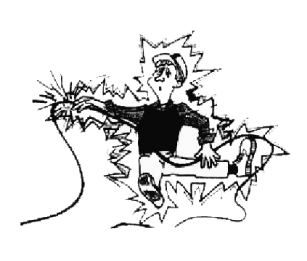
- Find and correct overloaded circuits.
- Never place extension cords under rugs.
- Outlets near water should be GFCI-type outlets.
- Don't allow trees near power lines to be climbed.
- Keep ladders, kites, equipment and anything else away from overhead power lines.
Electrical Panels
Electricity enters the home through a control panel and a main
switch where one can shut off all the power in an emergency. These
panels are usually located in the basement. Control panels use either
fuses or circuit breakers. Install the correct fuses for the panel.
Never use a higher-numbered fuse or a metallic item, such as a penny. If
fuses are used and there is a stoppage in power, look for the broken
metal strip in the top of a blown fuse. Replace the fuse with a new one
marked with the correct amperage. Reset circuit breakers from "off" to
"on." Be sure to investigate why the fuse or circuit blew. Possible
causes include frayed wires, overloaded outlets, or defective
appliances. Never overload a circuit with high-wattage appliances. Check
the wattage on appliance labels. If there is frayed insulation or a
broken wire, a dangerous short circuit may result and cause a fire. If
power stoppages continue or if a frayed or broken wire is found, contact
an electrician.
Outlets and Extension Cords
Make sure all electrical receptacles or outlets are three-hole, grounded
outlets. If there is water in the area, there should be a GFCI or
ground-fault circuit interrupter outlet. All outdoor outlets should be
GFCIs. There should be ample electrical capacity to run equipment
without tripping circuit breakers or blowing fuses. Minimize extension
cord use. Never place them under rugs. Use extension cords sparingly and
check them periodically. Use the proper electrical cord for the job,
and put safety plugs in unused outlets.
Electrical Appliances
Appliances need to be treated with respect and care. They need room to
breathe. Avoid enclosing them in a cabinet without proper openings, and
do not store papers around them. Level appliances so they do not tip.
Washers and dryers should be checked often. Their movement can put undue
stress on electrical connections. If any appliance or device gives off a
tingling shock, turn it off, unplug it, and have a qualified person
correct the problem. Shocks can be fatal. Never insert metal objects
into appliances without unplugging them. Check appliances periodically
to spot worn or cracked insulation, loose terminals, corroded wires,
defective parts and any other components that might not work correctly.
Replace these appliances or have them repaired by a person qualified to
do so.
Electrical Heating Equipment
Portable electrical heating equipment may be used in the home as a
supplement to the home heating system. Caution must be taken when using
these heating supplements. Keep them away from combustibles, and make
sure they cannot be tipped over. Keep electrical heating equipment in
good working condition. Do not use them in bathrooms because of the risk
of contact with water and electrocution. Many people use electric
blankets in their homes. They will work well if they are kept in good
condition. Look for cracks and breaks in the wiring, plugs and
connectors. Look for charred spots on both sides. Many things can cause
electric blankets to overheat. They include other bedding placed on top
of them, pets sleeping on top of them, and putting things on top of the
blanket when it is in use. Folding the blankets can also bend the coils
and cause overheating.
Children
Electricity is important to the workings of the home, but can be
dangerous, especially to children. Electrical safety needs to be taught
to children early on. Safety plugs should be inserted in unused outlets
when toddlers are in the home. Make sure all outlets in the home have
face plates. Teach children not to put things into electrical outlets
and not to chew on electrical cords. Keep electrical wiring boxes
locked. Do not allow children to come in contact with power lines
outside. Never allow them to climb trees near power lines, utility poles
or high tension towers.
Electricity and Water
A body can act like a lightning rod and carry the current to the ground.
People are good conductors of electricity, particularly when standing
in water or on a damp floor. Never use any electrical appliance in the
tub or shower. Never touch an electric cord or appliance with wet hands.
Do not use electrical appliances in damp areas or while standing on
damp floors. In areas where water is present, use outlets with GFCIs.
Shocks can be fatal.
Animal Hazards
Mice and other rodents can chew on electrical wires and damage them. If
rodents are suspected or known to be in the home, be aware of the damage
they may cause, and take measures to get rid of them.
Outside Hazards
There are several electrical hazards outside the home. Be aware of
overhead and underground power lines. People have been electrocuted when
an object they are moving has come in contact with the overhead power
lines. Keep ladders, antennae, kites and poles away from power lines
leading to the house and other buildings. Do not plant trees, shrubs or
bushes under power lines or near underground power lines. Never build a
swimming pool or other structure under the power line leading to your
house. Before digging, learn the location of underground power lines.
Do not climb power poles or transmission towers. Never let anyone shoot
or throw stones at insulators. If you have an animal trapped in a tree
or on the roof near electric lines, phone your utility company. Do not
take a chance of electrocuting yourself. Be aware of weather conditions
when installing and working with electrical appliances. Never use
electrical power tools or appliances with rain overhead or water
underfoot. Use only outdoor lights, fixtures and extension cords. Plug
into outlets with a GFCI. Downed power lines are extremely dangerous. If
you see a downed power line, call the electric company, and warn others
to stay away. If a power line hits your car while you are in it, stay
inside unless the car catches fire. If the car catches fire, jump clear
without touching metal and the ground at the same time.
MORE SAFETY PRECAUTIONS :
- Routinely check your electrical appliances and wiring.
- Hire an InterNACHI inspector. InterNACHI inspectors must pass
rigorous safety training and are knowledgeable in the ways to reduce the
likelihood of electrocution.
 Frayed wires can cause fires. Replace all worn, old and damaged appliance cords immediately.
 - Use electrical extension cords wisely and don't overload them.
- Keep electrical appliances away from wet floors and counters; pay
special care to electrical appliances in the bathroom and kitchen.
- Don't allow children to play with or around electrical appliances, such as space heaters, irons and hair dryers.
- Keep clothes, curtains and other potentially combustible items at least 3 feet from all heaters.
- If an appliance has a three-prong plug, use it only in a three-slot
outlet. Never force it to fit into a two-slot outlet or extension cord.
- Never overload extension cords or wall sockets. Immediately shut
off, then professionally replace, light switches that are hot to the
touch, as well as lights that flicker. Use safety closures to childproof
electrical outlets.
- Check your electrical tools regularly for signs of wear. If the
cords are frayed or cracked, replace them. Replace any tool if it causes
even small electrical shocks, overheats, shorts out or gives off smoke
or sparks.
In summary, household electrocution can be prevented by following
the tips offered in this guide and by hiring an InterNACHI inspector.


